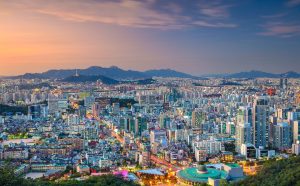
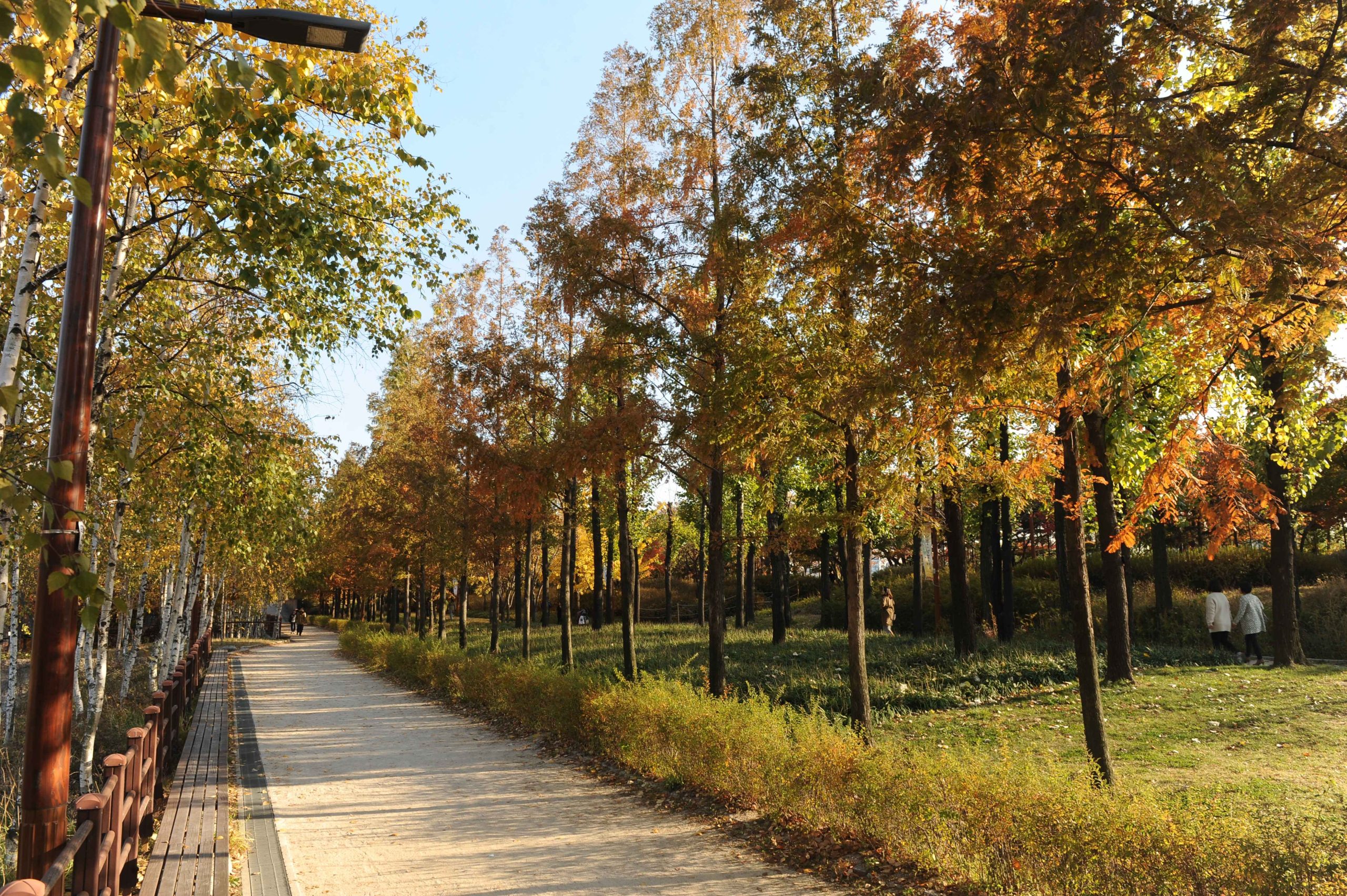
Seoul is a vibrant metropolis filled with towering skyscrapers, bustling markets, and a rich cultural heritage, but amidst the urban sprawl lies a network of serene and beautifully maintained urban parks. These green spaces offer a breath of fresh air and an escape from the fast-paced city life, giving both locals and visitors a chance to relax, exercise, and reconnect with nature. Whether you’re looking for a quiet spot to read, scenic walking trails, or a place for a family picnic, Seoul’s urban parks are an integral part of the city’s charm.
In this guide, we’ll explore some of the best urban parks in Seoul, highlighting their unique features, attractions, and why they should be on every visitor’s itinerary.
1. Hangang Park: Riverside Recreation and Scenic Beauty
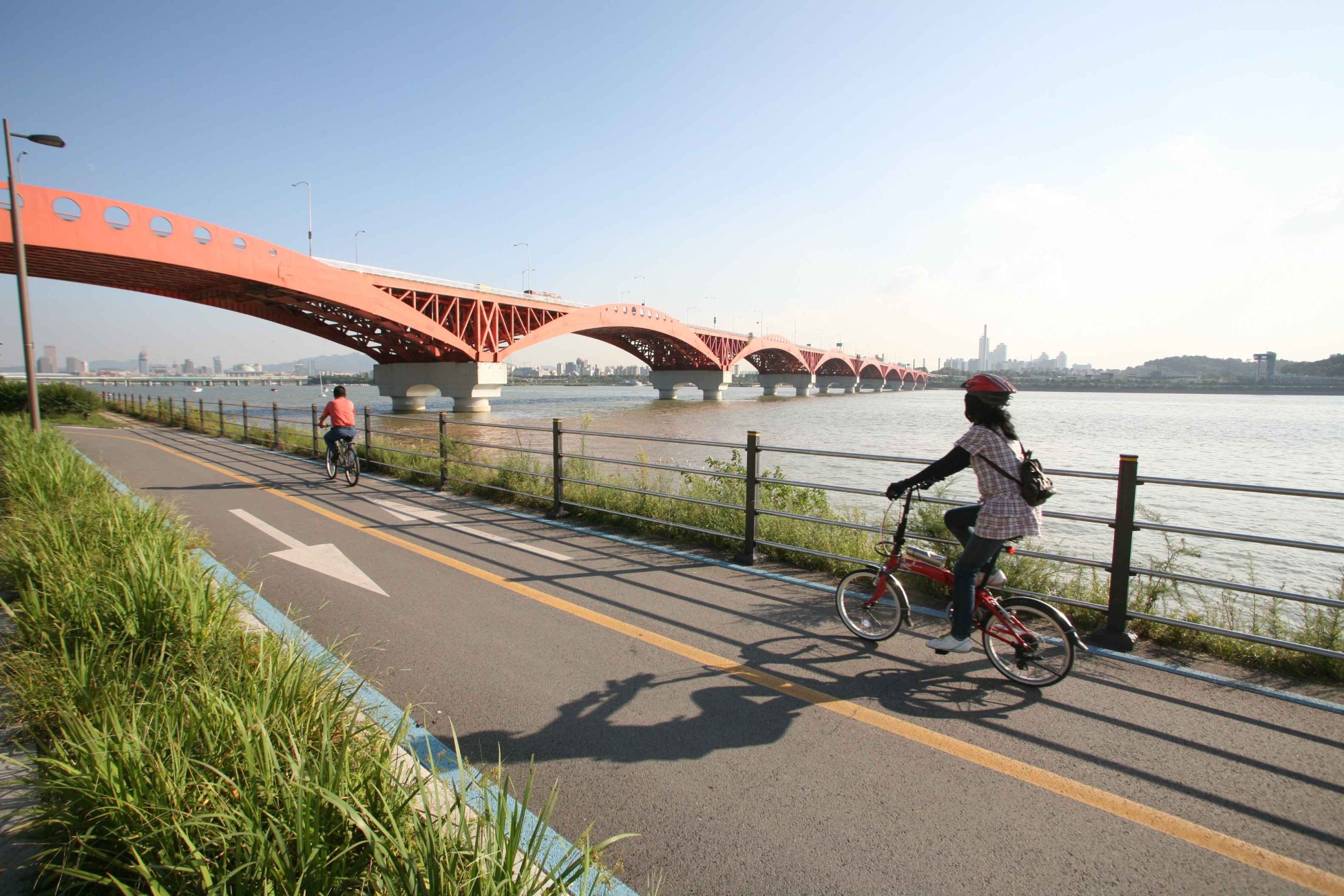
ⓒKorea Tourism Organization Photo Korea – Lee Beomsu
Hangang Park is not just one park but a collection of parks that stretch along the Han River, which flows through the heart of Seoul. With over 12 different sections, Hangang Park offers something for everyone, whether you’re into cycling, picnicking, water sports, or simply enjoying a sunset by the river.
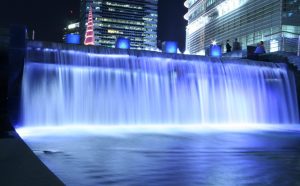
Highlights: Each section of Hangang Park has its own charm. The Yeouido Hangang Park is perhaps the most popular, thanks to its vast open lawns, riverside cafes, and rental bikes. During the cherry blossom season in spring, the park is a hotspot for visitors. Other popular sections include Ttukseom Hangang Park, which offers water sports like paddleboarding and windsurfing, and Banpo Hangang Park, home to the famous Banpo Bridge Rainbow Fountain, the longest bridge fountain in the world.
Best for: Water sports, cycling, picnics, and festivals
Don’t Miss: The evening light shows at Banpo Bridge and renting a bike to explore the entire riverside park system.
2. Namsan Seoul Tower Park: A Blend of History and Nature
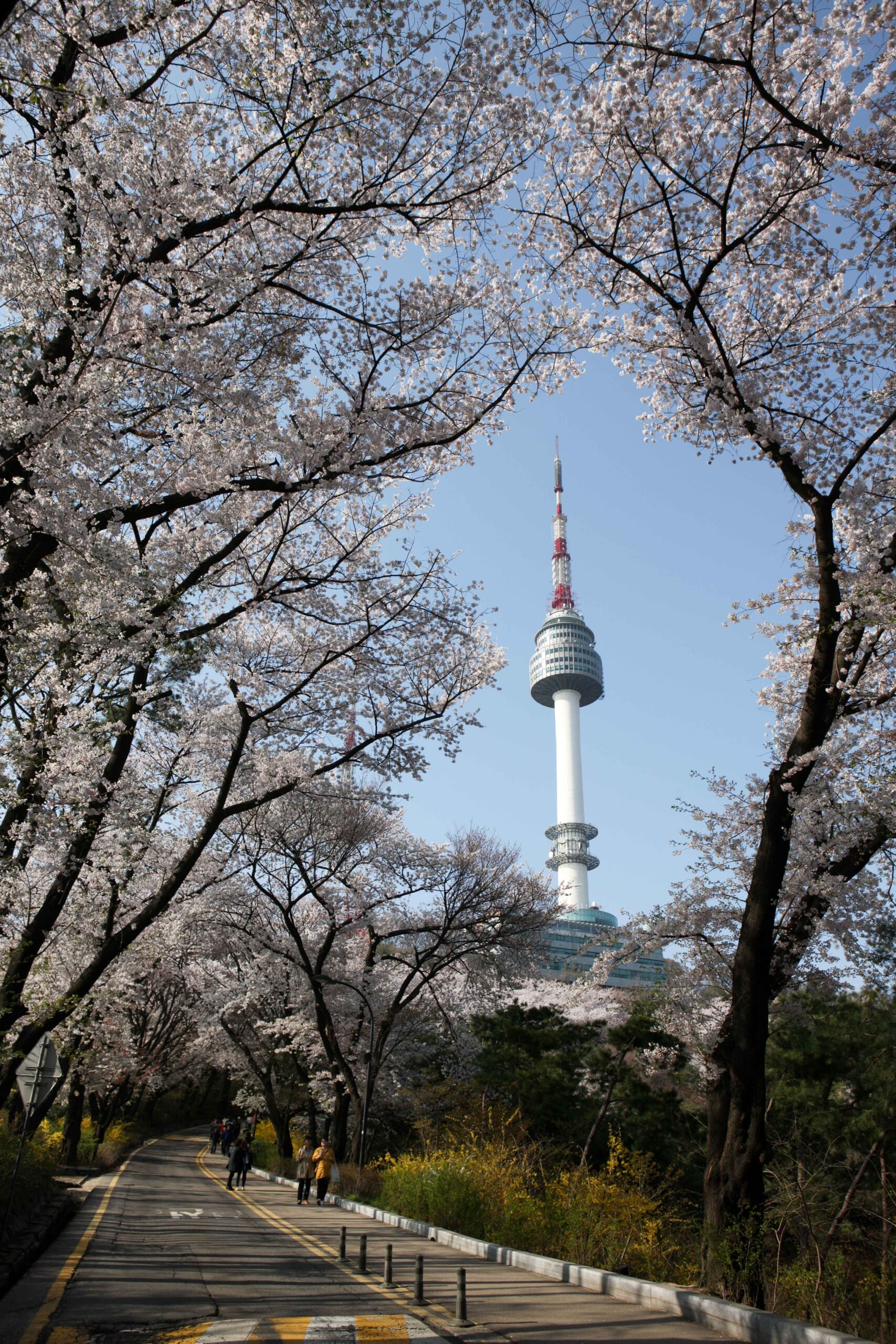
Situated in the heart of Seoul, Namsan Seoul Tower Park is not only home to the iconic N Seoul Tower but also offers a lush escape from the city’s hustle and bustle. The park is nestled on Namsan Mountain (Mt. Nam), a popular destination for both locals and tourists.
Highlights: The park features a series of walking trails that wind through forests, leading to the top of Namsan Mountain, where you can enjoy panoramic views of Seoul. The trails are well-maintained and relatively easy, making them ideal for both beginners and seasoned hikers. Along the way, you’ll encounter historic sites like the Namsan Hanok Village, a collection of traditional Korean houses, and the Namsan Palgakjeong Pavilion.
Best for: Scenic views, history, and nature walks
Don’t Miss: The love locks near the base of N Seoul Tower and the cable car ride to the summit for a different perspective of the city.
3. Seoul Forest: A Multifunctional Urban Oasis
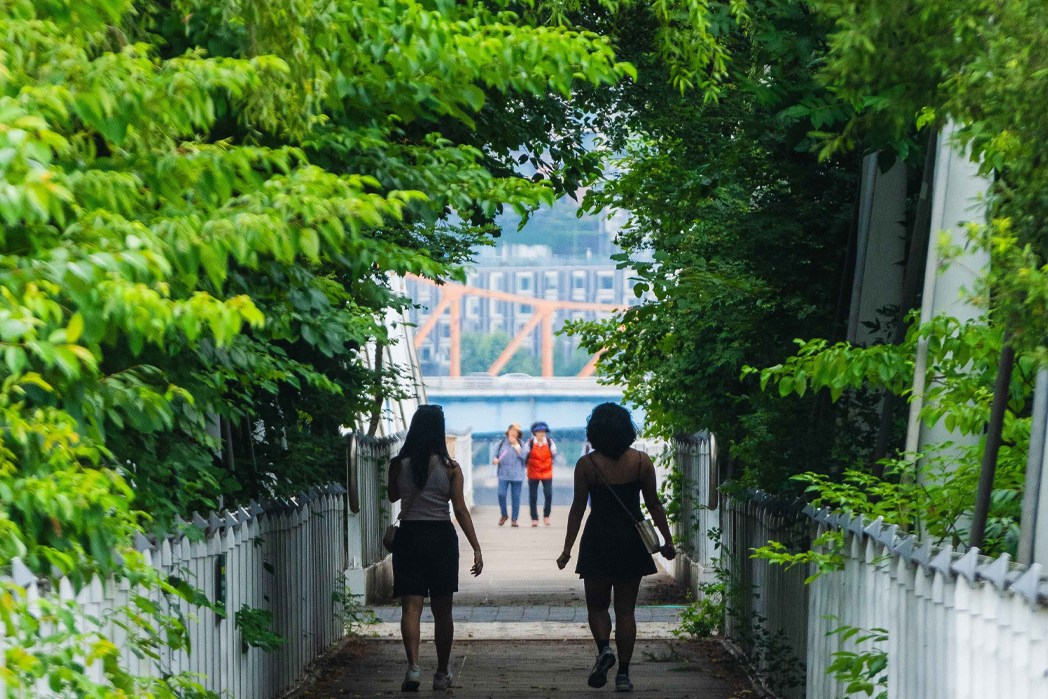
ⓒKorea Tourism Organization Photo Korea – Kim Joowon
Seoul Forest is a large ecological park located on the north bank of the Han River. It’s a multifunctional space that combines elements of an urban park, nature reserve, and cultural hub. Seoul Forest offers various themed areas that cater to different interests, making it a favorite spot for families, couples, and nature enthusiasts.
Highlights: The park is divided into five main sections: the Cultural Art Park, the Ecological Forest, the Nature Experiencing Study Field, the Wetlands Ecological Field, and the Hangang Riverside Park. One of the park’s most popular features is the Deer Park, where you can observe deer in a naturalistic setting. The Butterfly Conservatory and Insect Garden are also great spots for kids.
Best for: Families, eco-tourism, and picnics
Don’t Miss: Rent a bike to explore the vast grounds and make sure to visit the deer enclosure for an up-close wildlife experience.
4. Olympic Park: A Legacy of the 1988 Olympics
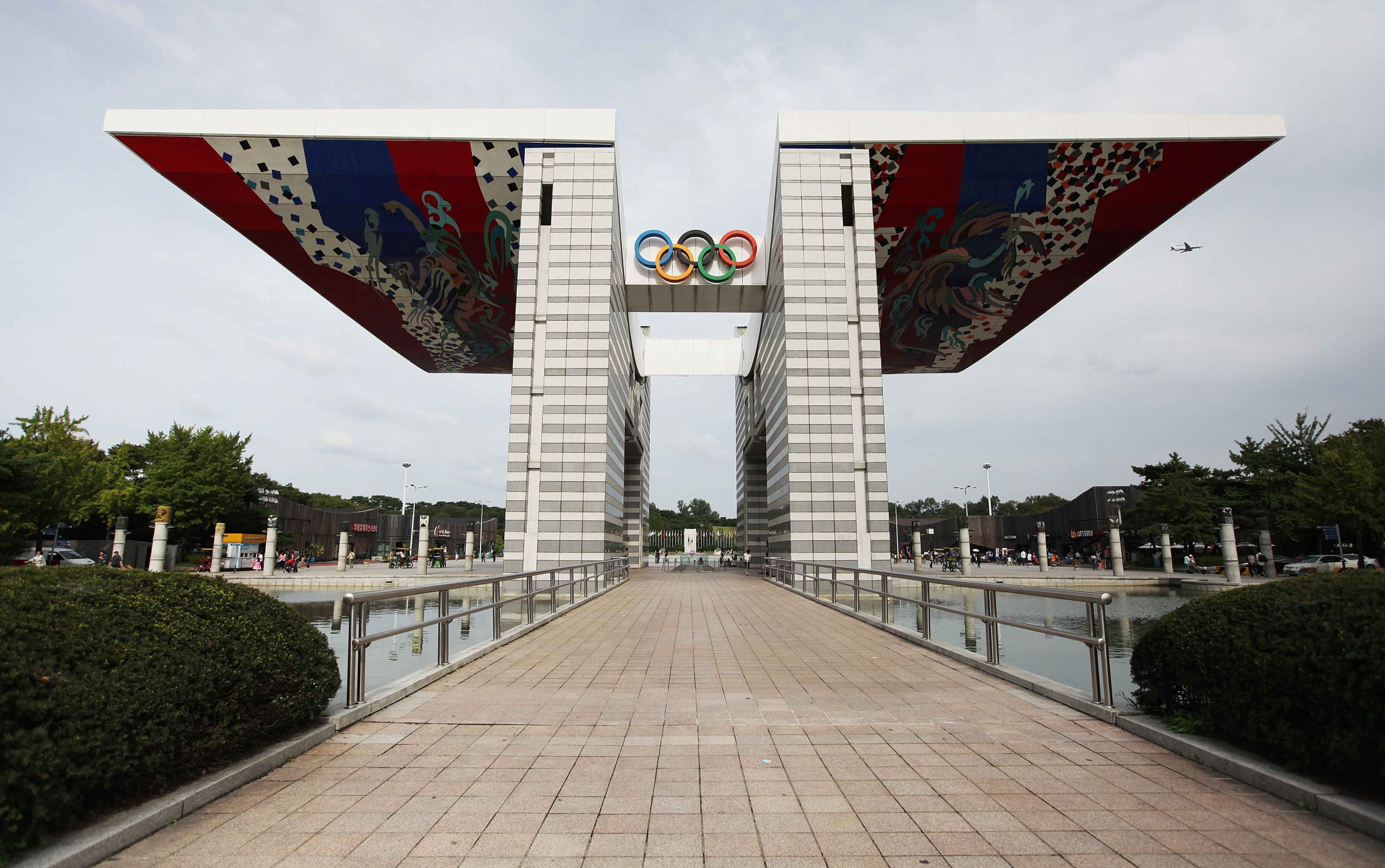
ⓒKorea Tourism Organization Photo Korea – Park Eun Kyoung
Originally built for the 1988 Seoul Olympics, Olympic Park is a massive green space that combines sports facilities, art installations, and nature all in one. It’s one of the largest parks in Seoul, making it a popular spot for outdoor activities and events.
Highlights: The park is home to several notable features, including the World Peace Gate, the Olympic Museum, and the SOMA Museum of Art. The park is also known for its extensive walking and cycling paths that loop around tranquil lakes and wide-open fields. In the fall, the park’s One Tree Hill becomes a popular spot for photography, as it’s surrounded by golden reeds and autumn foliage.
Best for: Outdoor sports, picnics, and art lovers
Don’t Miss: The Olympic Rose Garden, which features over 200 varieties of roses in full bloom during the spring and early summer.
5. Haneul Park: Sky-High Views and Spectacular Landscapes
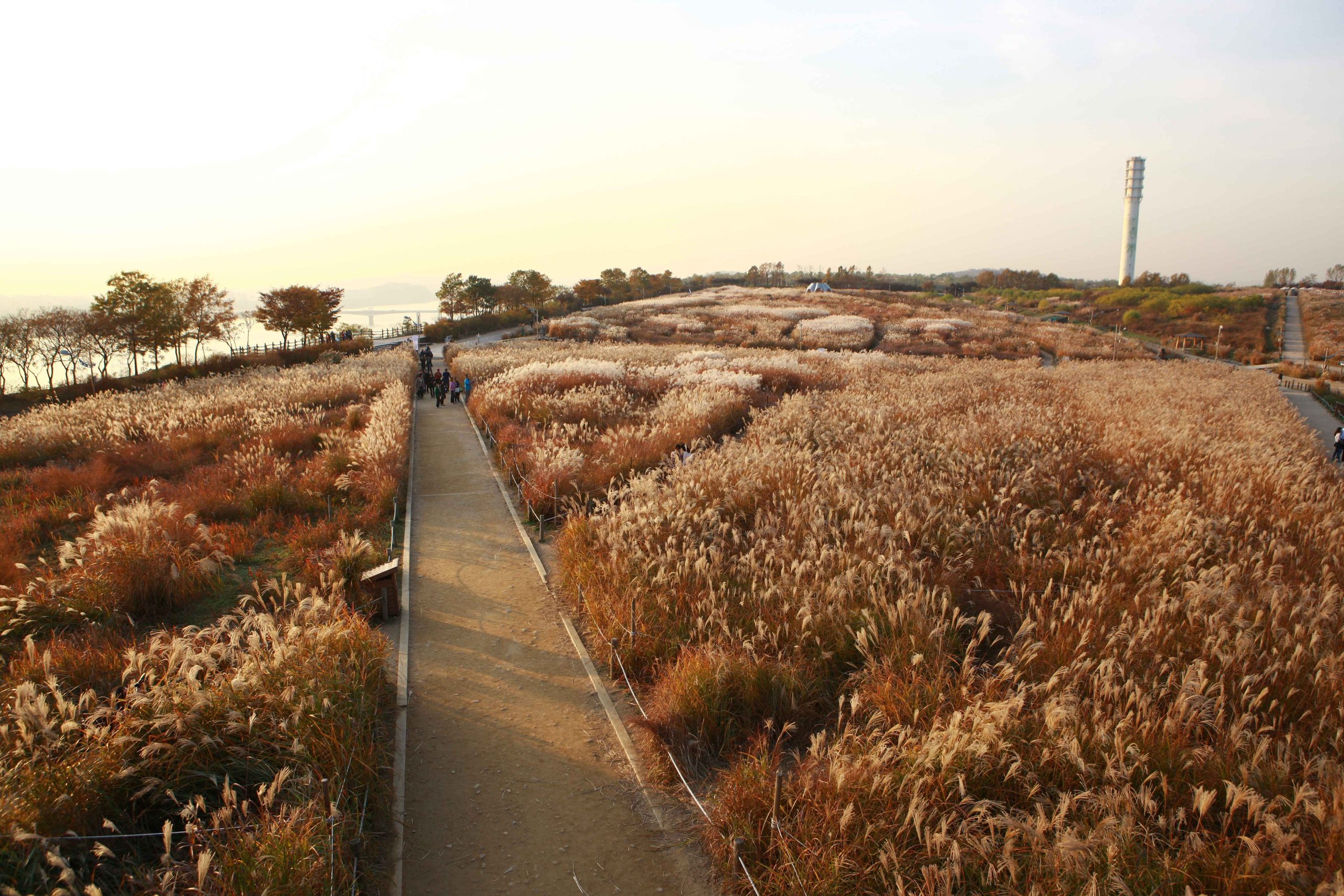
ⓒKorea Tourism Organization Photo Korea – Kim Jiho
Haneul Park, or Sky Park, is one of the five parks in the World Cup Park complex, which was created on a former landfill site as part of Seoul’s green initiative. Perched on top of a hill, Haneul Park offers some of the best views of the Han River and the surrounding cityscape.
Highlights: The park is famous for its expansive fields of silver grass, which are particularly stunning in the fall. During the Seoul Eulalia Festival in October, the park becomes a sea of shimmering silver as the grass waves in the breeze. The park is accessible by a steep set of stairs or by an eco-friendly shuttle bus.
Best for: Photography, scenic views, and nature lovers
Don’t Miss: Visit during sunset for an unforgettable view of the sun dipping behind the mountains, casting a golden hue over the city and river below.
6. Gyeongui Line Forest Park: A Linear Park with a Cultural Twist
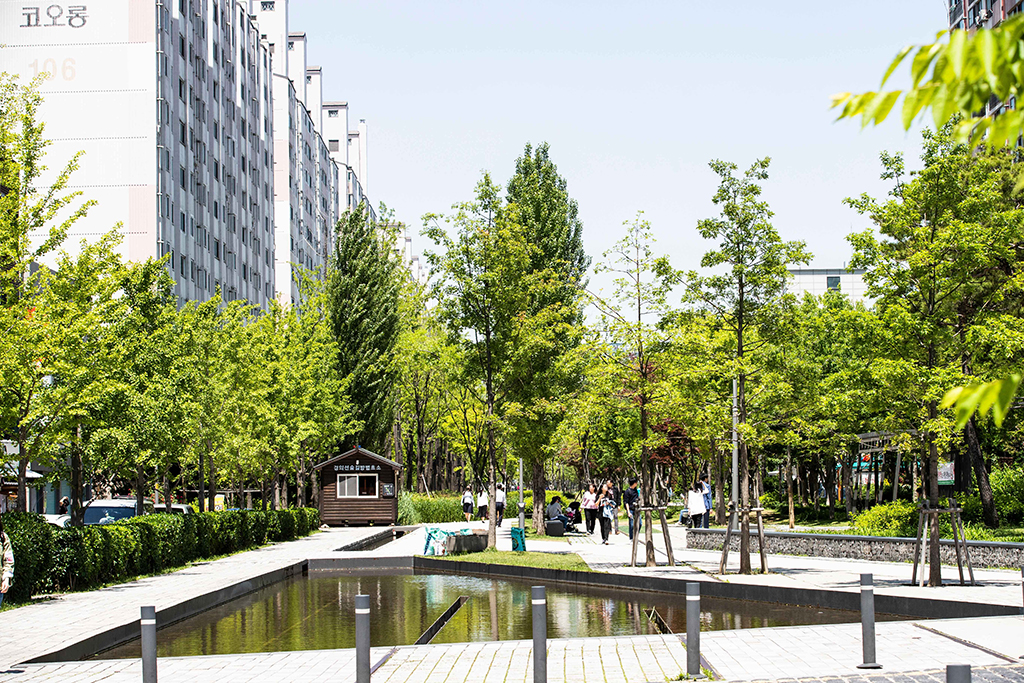
ⓒKorea Tourism Organization Photo Korea – Lee Bumsu
Stretching along the path of a former railway line, Gyeongui Line Forest Park is a linear park that runs through some of Seoul’s most vibrant neighborhoods, including Hongdae and Yeonnam-dong. This park is perfect for a leisurely stroll, offering a blend of green spaces, art installations, and trendy cafés.
Highlights: The park’s paths are lined with trees, benches, and small gardens, making it a relaxing place to walk or jog. Along the way, you’ll find quirky art pieces and even small outdoor performances. The park connects with Hongdae’s bustling streets, giving visitors easy access to some of Seoul’s best shopping and dining.
Best for: Urban exploration, casual strolls, and cultural experiences
Don’t Miss: Stop by one of the many independent cafés or art galleries that dot the area for a perfect blend of nature and culture.
7. Changdeokgung Secret Garden: A Royal Escape into Nature
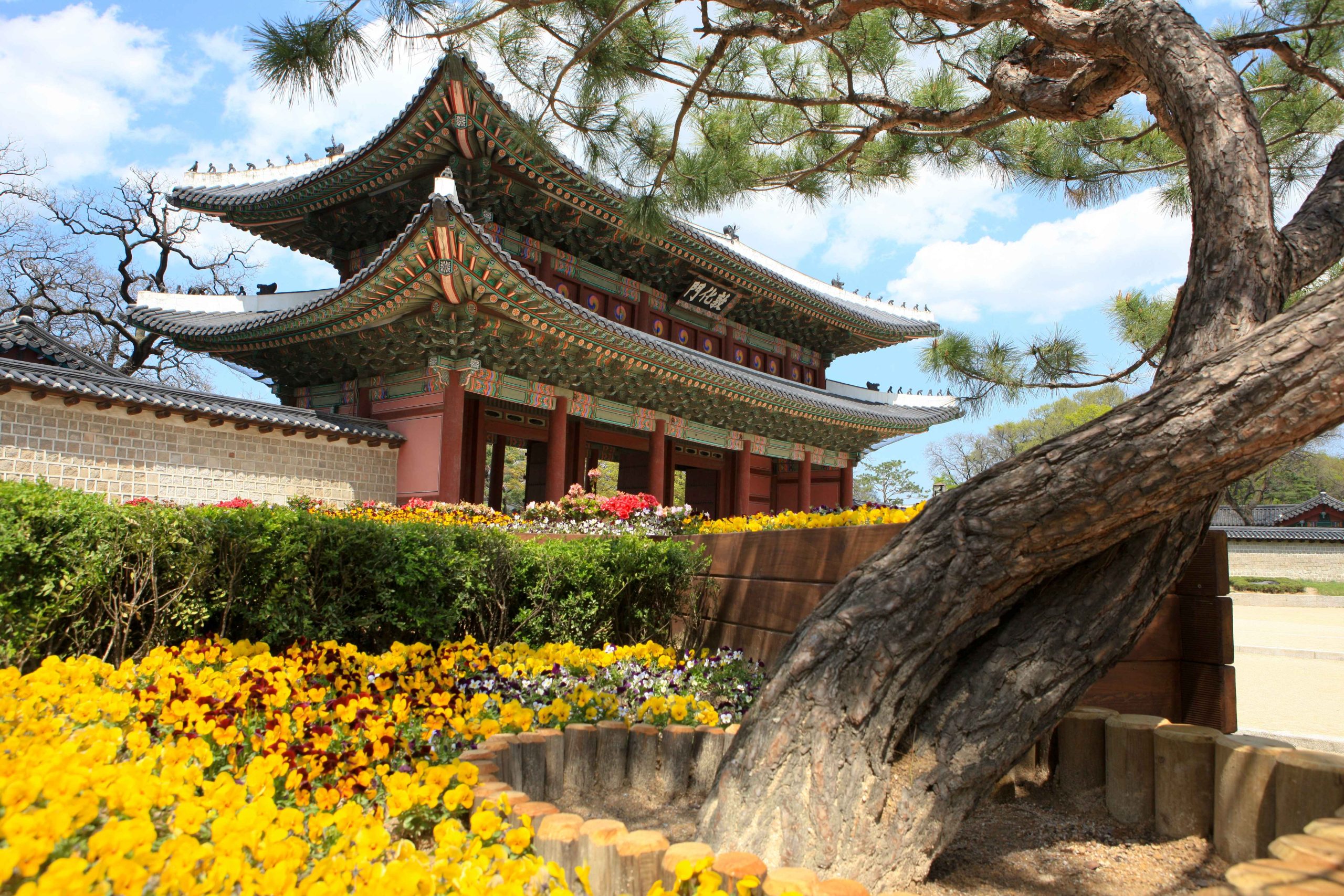
ⓒKorea Tourism Organization Photo Korea – Kim Jiho
Located within the UNESCO World Heritage-listed Changdeokgung Palace, the Secret Garden (also known as Huwon) offers a peaceful retreat in the heart of the city. Once reserved for Korean royalty, the garden is now open to the public and offers a glimpse into traditional Korean landscape design.
Highlights: The Secret Garden is a stunning example of Korean horticulture, with its carefully landscaped ponds, pavilions, and forests. The garden covers over 78 acres and features several small streams, lotus ponds, and centuries-old trees. The Buyongji Pond and Juhamnu Pavilion are especially picturesque.
Best for: History lovers and nature enthusiasts
Don’t Miss: Tours of the Secret Garden are available and highly recommended, as they provide historical context and insight into the royal lifestyle of the Joseon Dynasty.
8. Bukhansan National Park: A Hiker’s Paradise
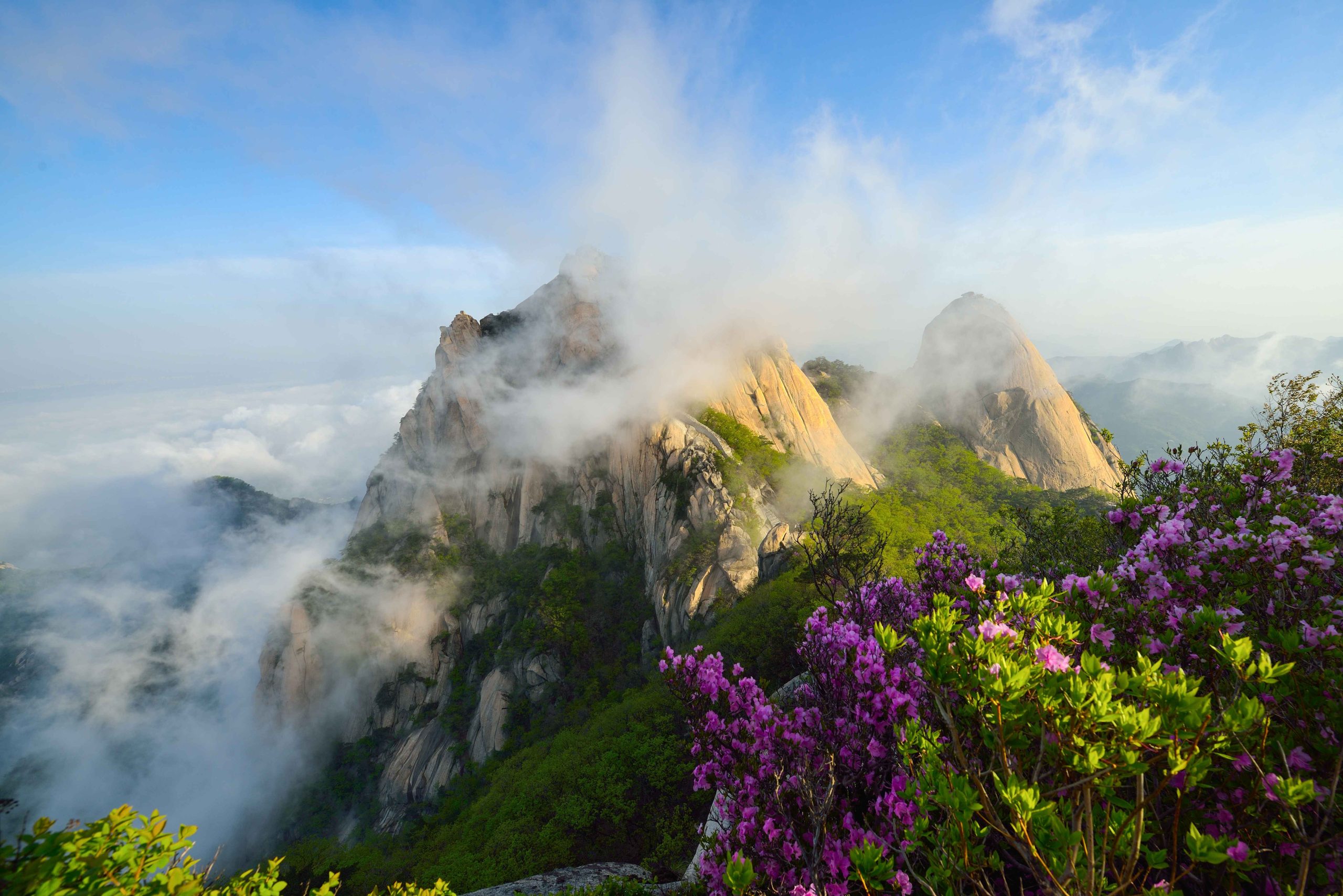
While Bukhansan National Park is more of a mountainous escape than a traditional urban park, it’s still technically within Seoul’s city limits and offers some of the best hiking and natural beauty in the area. This massive park is home to over 1,300 species of plants and animals, as well as numerous hiking trails that range from easy walks to challenging climbs.
Highlights: The park’s most popular trail leads to Baegundae Peak, the highest point in Seoul at 836 meters. The park also features several historical sites, including the Bukhansanseong Fortress, which dates back to the 7th century. For a less strenuous visit, there are plenty of lower-elevation trails that offer beautiful views and the chance to explore forested areas and streams.
Best for: Hiking, nature walks, and wildlife
Don’t Miss: The panoramic view from Baegundae Peak, which offers a stunning contrast between the natural landscape and Seoul’s urban skyline.
9. Seonyudo Park: An Eco-Friendly River Island
ⓒKorea Tourism Organization Photo Korea – Live Studio Kim Hakri
Seonyudo Park is one of Seoul’s most unique urban parks, located on a small island in the Han River. Once an industrial water treatment facility, the park transformed into an eco-friendly space that emphasizes sustainability and environmental education.
Highlights: The park features botanical gardens, an aquatic plant garden, and walking trails that offer beautiful views of the river and surrounding city. Seonyudo Park is also home to the Seoul Environmental Learning Center, which provides information on eco-friendly practices and sustainability. The park’s industrial past is still visible in the form of repurposed structures, which add a modern, architectural twist to the natural surroundings.
Best for: Eco-tourism, photography, and quiet contemplation
Don’t Miss: The Water Purification Basin Garden, a peaceful spot with water features and aquatic plants that offer a moment of tranquility in the middle of the city.
10. Children’s Grand Park: A Family-Friendly Escape
View this post on Instagram
Located in the eastern part of the city, Children’s Grand Park is a large, family-friendly park that offers a range of activities for visitors of all ages. The park features a zoo, amusement rides, and large open spaces, making it an ideal spot for a fun day out with the family.
Highlights: In addition to the zoo and amusement rides, the park has several gardens, including a rose garden and a Korean traditional garden. There are also walking paths, picnic areas, and an outdoor concert stage with various performances throughout the year.
Best for: Families, picnics, and outdoor fun
Don’t Miss: The seasonal flower displays, especially in spring and fall, and the Children’s Zoo, where kids can get up close with animals.
Conclusion
Seoul’s urban parks offer a diverse range of experiences, from historical and cultural sites to eco-friendly spaces and modern recreational facilities. Whether you’re a nature lover, a history buff, or simply looking for a peaceful place to relax, these parks provide a green oasis in the midst of the bustling city. So next time you’re in Seoul, be sure to explore its many parks and enjoy the perfect balance of urban life and natural beauty.