
Korean cuisine is a feast for the senses, characterized by bold flavors, vibrant colors, and a harmony of textures. It’s a culinary tradition that reflects the country’s rich history, diverse geography, and the Korean people’s deep connection to the land. Whether you’re a seasoned foodie or a curious traveler, exploring Korean cuisine is an essential part of experiencing the culture. In this article, we’ll introduce you to some of the must-try dishes that define Korean food.
1. Kimchi (김치)
ⓒKorea Tourism Organization Photo Korea – Alexbundo
The Icon of Korean Cuisine
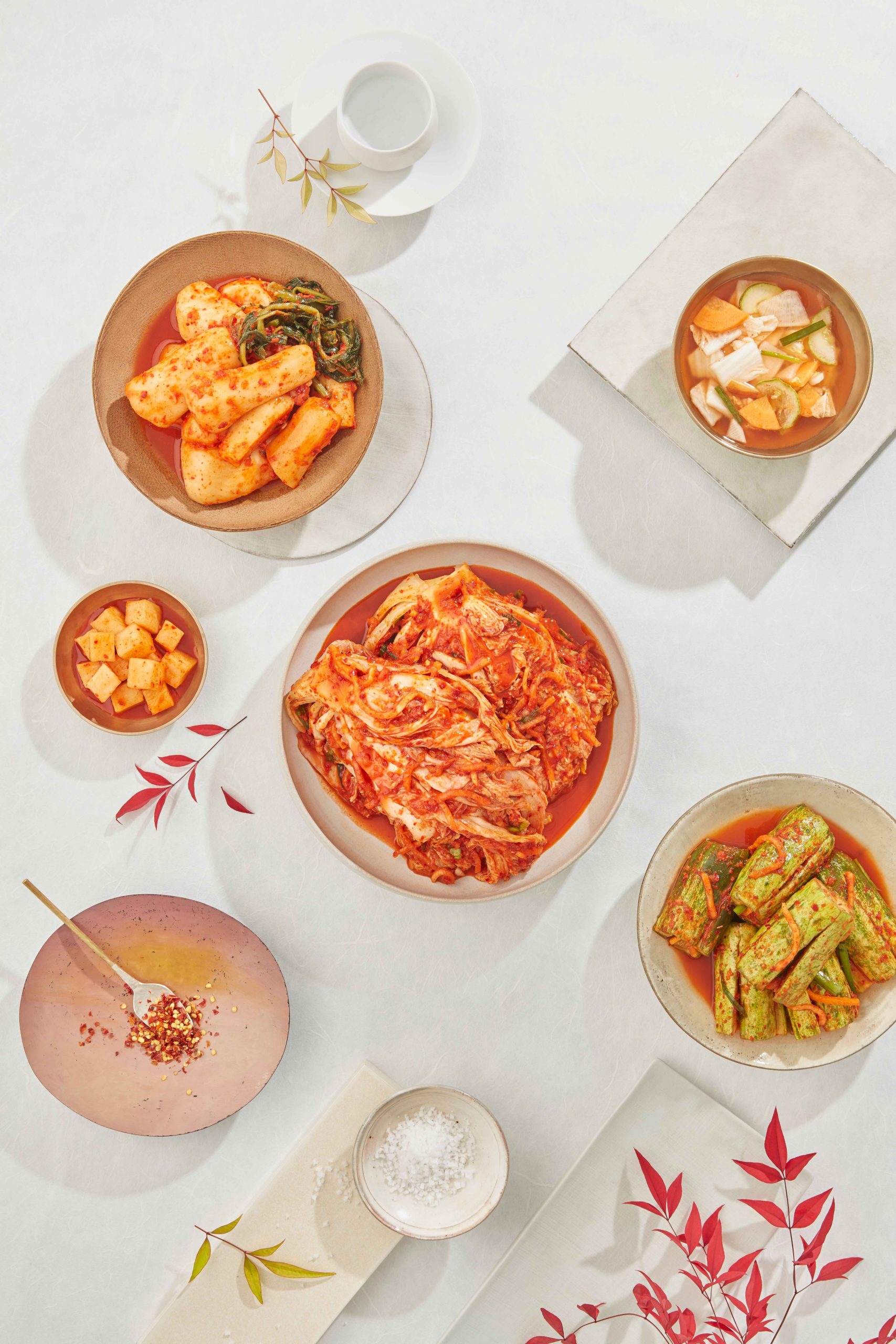
Kimchi is arguably the most iconic dish in Korean cuisine. It’s a fermented vegetable dish, most commonly made with Napa cabbage and Korean radishes, seasoned with chili pepper, garlic, ginger, and various other spices. There are hundreds of varieties of kimchi, each offering a unique flavor profile.
Why You Must Try It
Kimchi is not just a side dish; it’s a staple in Korean meals and is known for its health benefits, including probiotics that aid digestion. Its tangy, spicy flavor adds a burst of umami to any meal. Whether you’re eating it on its own or as part of a dish, kimchi is a quintessential Korean experience.
Where to Try It
Jonggak Kimchi Museum in Seoul offers an immersive experience where you can learn about the history of kimchi and even try your hand at making it.
2. Bibimbap (비빔밥)
ⓒKorea Tourism Organization Photo Korea – Kim Jiho
A Harmony in a Bowl
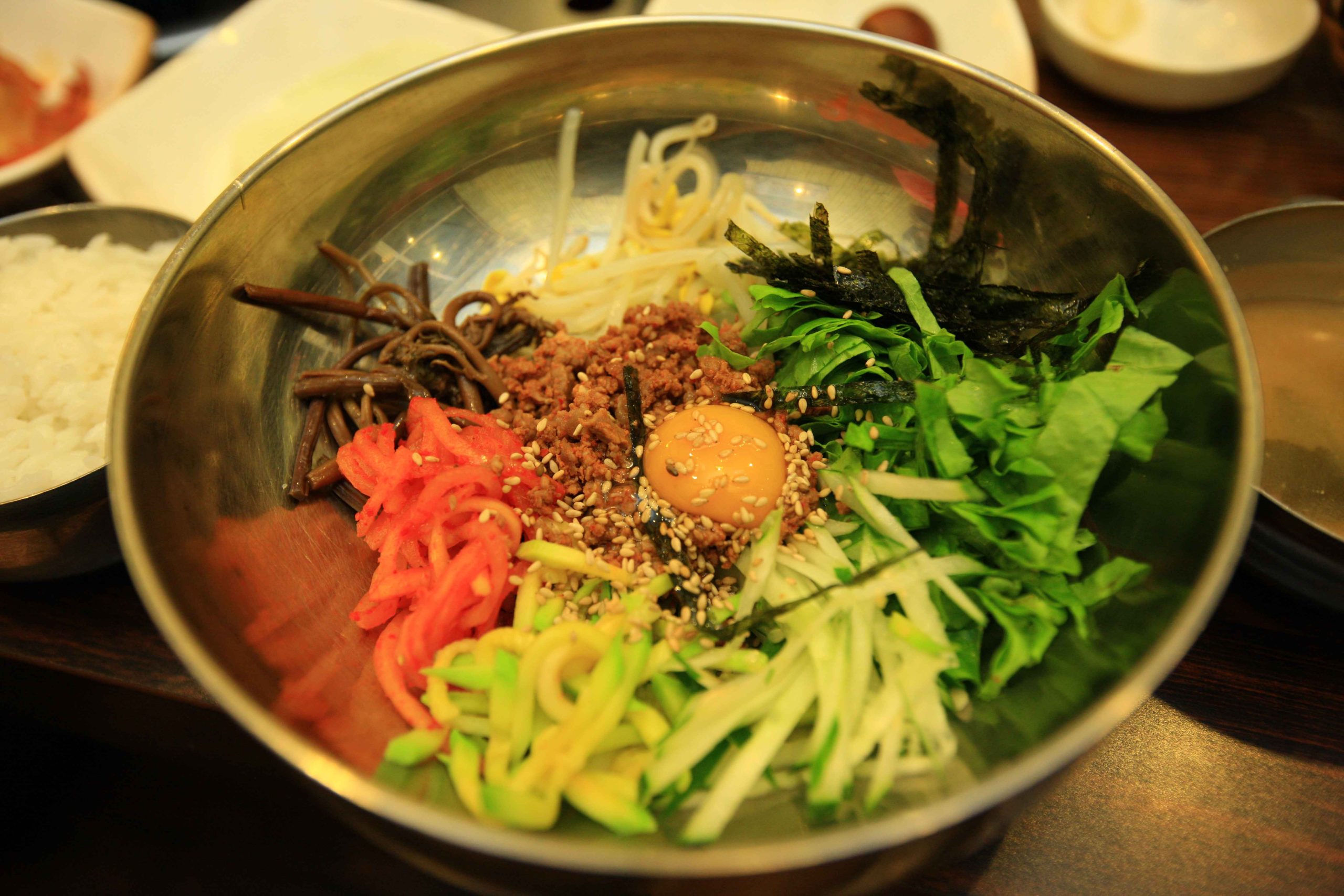
Bibimbap, which literally means “mixed rice,” is a colorful and nutritious dish that consists of steamed rice topped with a variety of vegetables, gochujang (red chili paste), a fried egg, and sometimes meat. It’s served in a bowl, and before eating, all the ingredients are mixed together.
Why You Must Try It
Bibimbap is a perfect introduction to Korean cuisine because it showcases the balance of flavors and textures that Korean food is known for. The combination of fresh vegetables, savory meat, spicy gochujang, and the richness of the egg creates a harmonious and satisfying meal.
Where to Try It
Jeonju Hanok Village is famous for its bibimbap. Jeonju is considered the birthplace of this dish, and the village offers some of the best versions, served in traditional hanok settings.
3. Bulgogi (불고기)
ⓒKorea Tourism Organization Photo Korea – Kim Jiho
Marinated Perfection
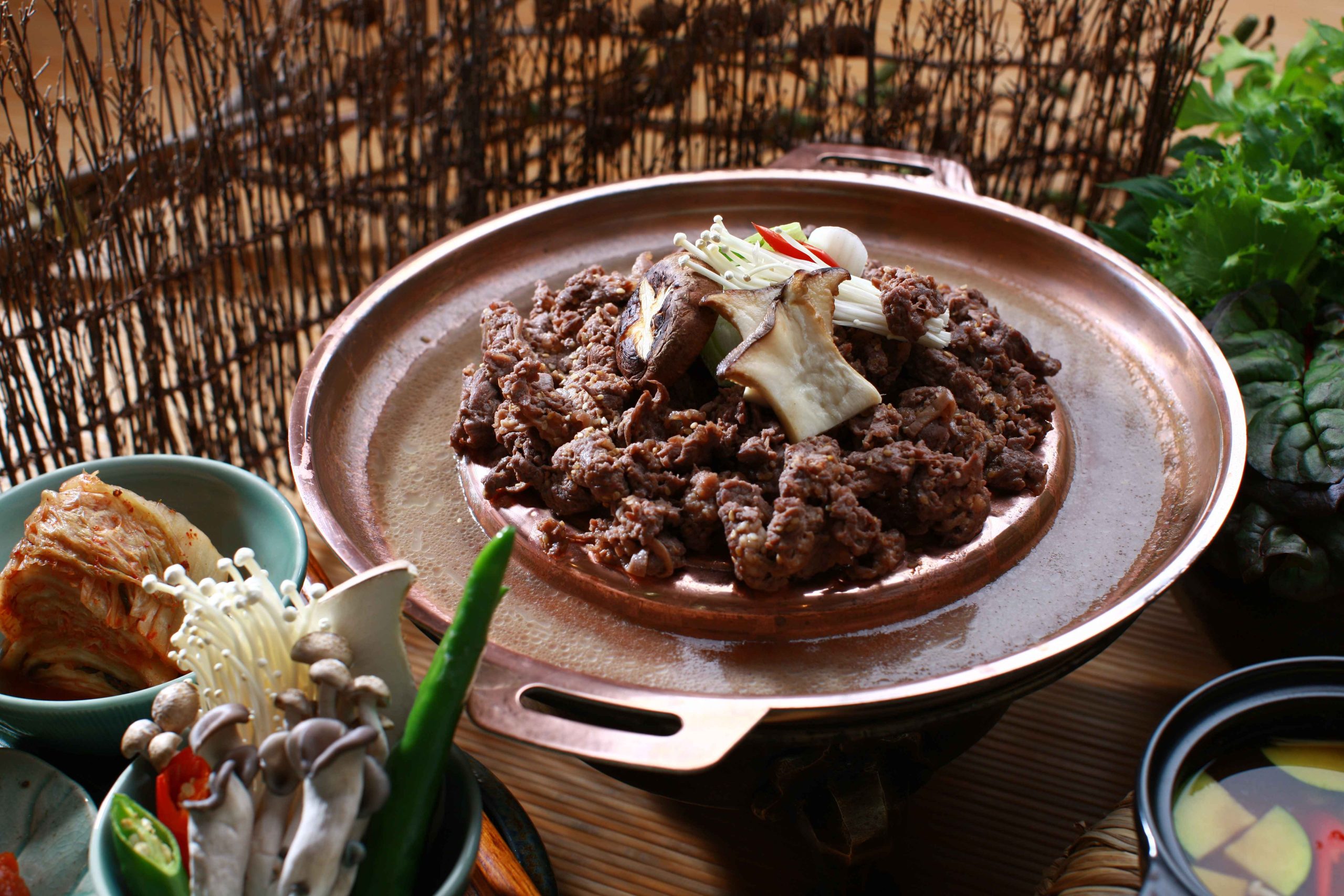
Bulgogi, which means “fire meat,” is a dish of thinly sliced beef marinated in a sweet and savory sauce made from soy sauce, sugar, sesame oil, garlic, and pepper. The meat is then grilled or stir-fried to perfection.
Why You Must Try It
Bulgogi is tender, flavorful, and a great introduction to Korean barbecue. The marinade enhances the natural flavor of the beef, making each bite succulent and delicious. It’s often served with rice and a variety of side dishes, known as banchan.
Where to Try It
Mapo Jeong Daepo in Seoul is renowned for its bulgogi, offering a lively atmosphere where you can enjoy this classic dish cooked at your table.
4. Samgyeopsal (삼겹살)
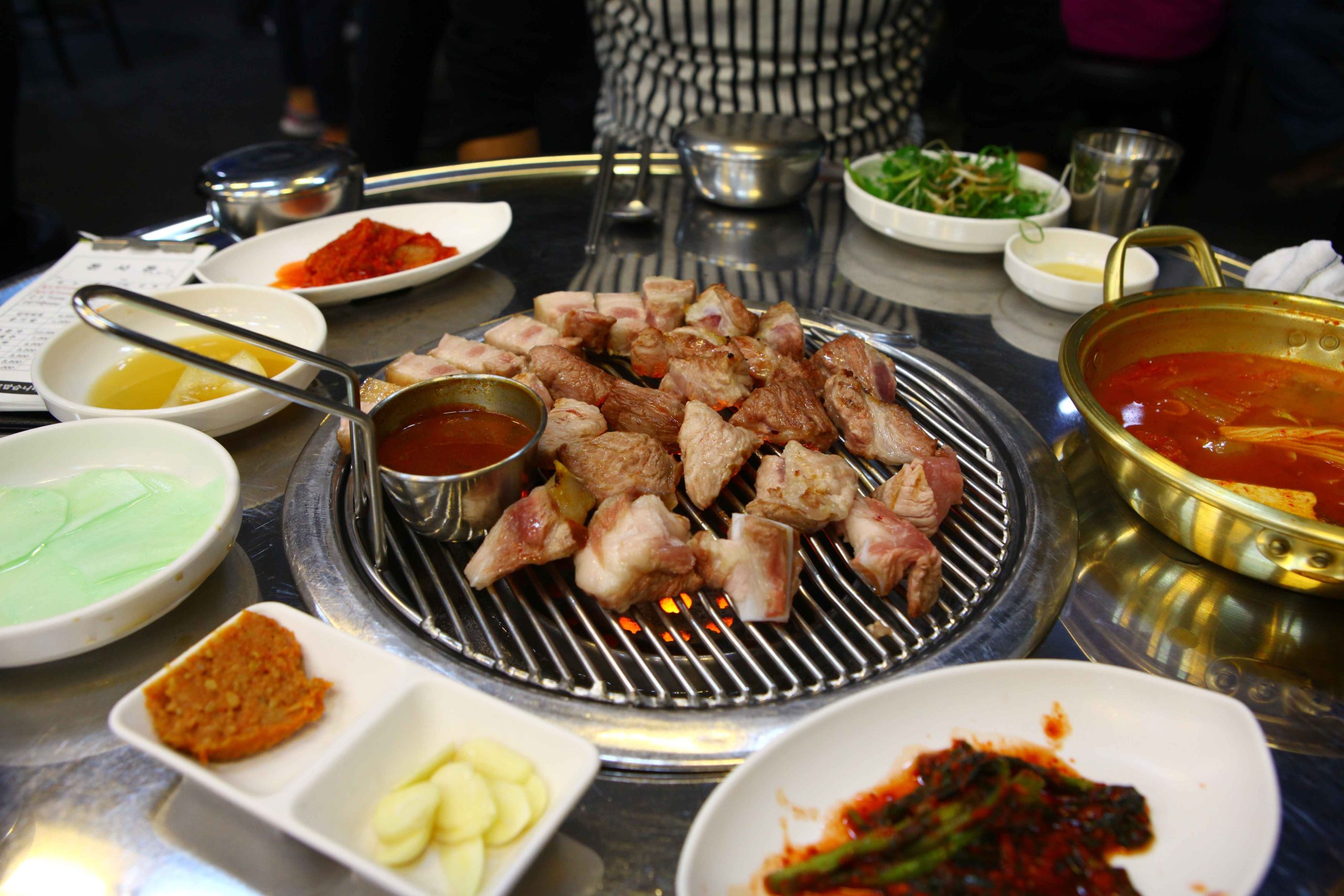
ⓒKorea Tourism Organization Photo Korea – Lee Beomsu
The Social Grill
Samgyeopsal is one of Korea’s most popular dishes, consisting of thick slices of pork belly that are grilled at the table. It’s usually served with garlic, green onions, lettuce, and dipping sauces like ssamjang (a spicy paste).
Why You Must Try It
Samgyeopsal is not just about the food; it’s about the experience. It’s typically enjoyed with friends or family, with everyone grilling their own meat and wrapping it in lettuce leaves with garlic and ssamjang. The communal aspect of the meal, combined with the rich flavors of the grilled pork, makes it a must-try.
Where to Try It
Palsaek Samgyeopsal in Seoul is famous for its variety of flavored pork belly cuts, offering a unique twist on the traditional dish.
5. Japchae (잡채)
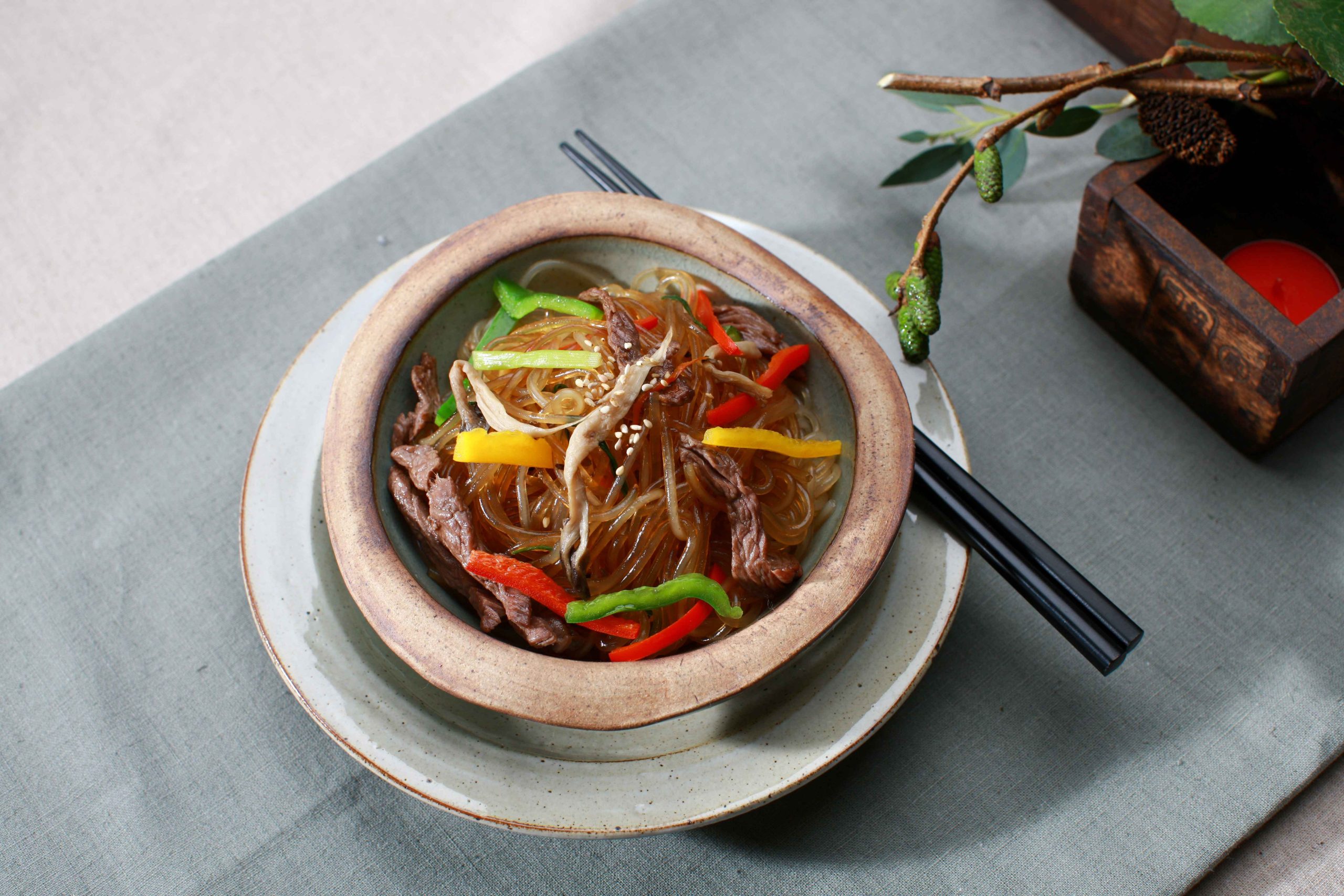
ⓒKorea Tourism Organization Photo Korea – Kim Jiho
Stir-Fried Noodle Delight
Japchae is a dish made from sweet potato noodles, also known as glass noodles, stir-fried with a variety of vegetables, meat (usually beef), and seasoned with soy sauce and sesame oil.
Why You Must Try It
Japchae is a versatile dish that can be served hot or cold, as a main dish or a side. The noodles have a unique chewy texture, and the dish is both savory and slightly sweet, making it a crowd-pleaser.
Where to Try It
Korean royal cuisine restaurants such as Korea House in Seoul often feature japchae as part of their traditional multi-course meals, allowing you to experience this dish in a historical context.
6. Tteokbokki (떡볶이)
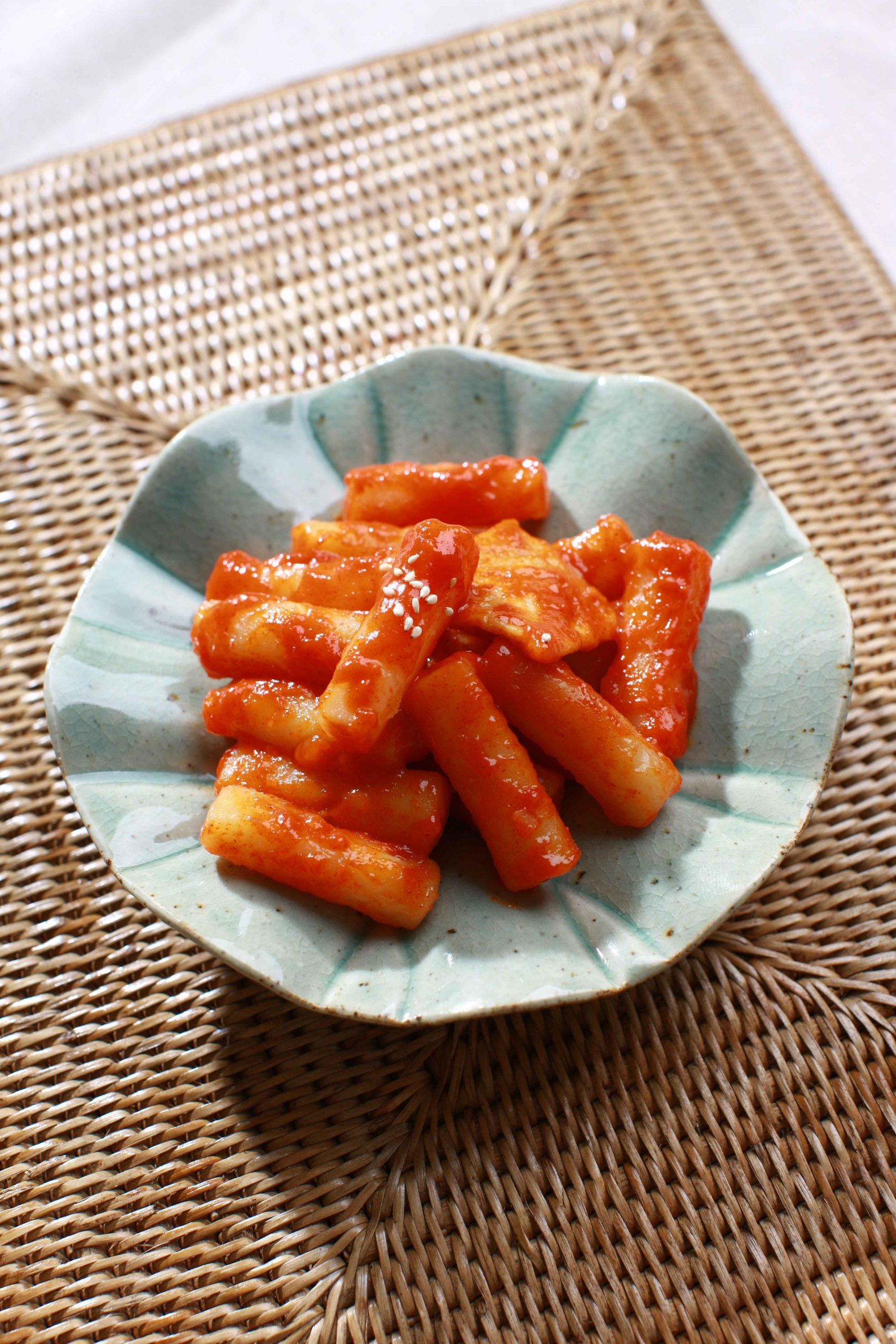
ⓒKorea Tourism Organization Photo Korea – Kim Jiho
Spicy Comfort Food
Tteokbokki is a popular Korean street food made from cylindrical rice cakes, fish cakes, and a spicy sauce made from gochujang. It’s often garnished with boiled eggs, scallions, and sometimes cheese.
Why You Must Try It
Tteokbokki is the ultimate Korean comfort food, offering a satisfying combination of chewy rice cakes and a spicy, slightly sweet sauce. It’s a dish that’s easy to find and even easier to fall in love with, perfect for a quick snack or a hearty meal.
Where to Try It
Gwangjang Market in Seoul is famous for its tteokbokki, where you can enjoy it among the hustle and bustle of one of the city’s most iconic markets.
7. Kimchi Jjigae (김치찌개)
ⓒKorea Tourism Organization Photo Korea – Alexbundo
A Hearty Stew
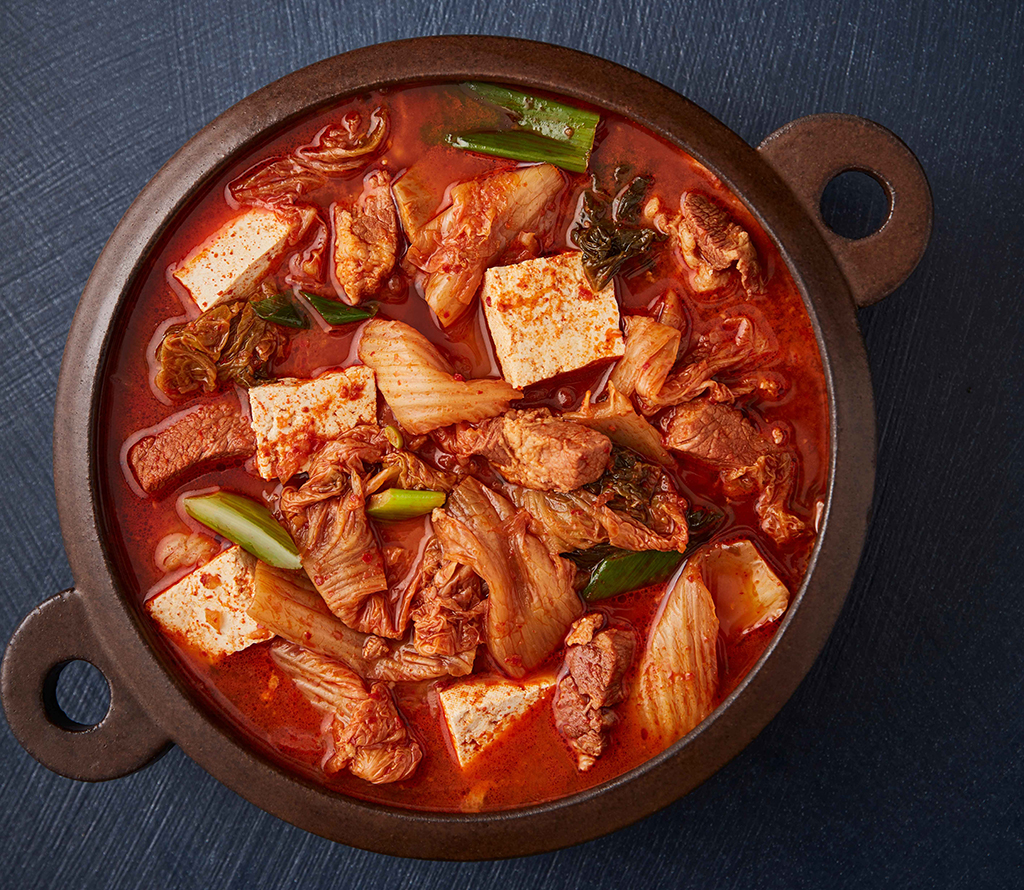
Kimchi jjigae is a stew made with kimchi, tofu, pork (or tuna), and various vegetables, simmered together in a flavorful broth. It’s a staple in Korean households and is often enjoyed as a comfort food during the colder months.
Why You Must Try It
This dish perfectly embodies the deep, rich flavors of fermented kimchi combined with the savory taste of pork and the soft texture of tofu. It’s warming, comforting, and packed with umami—ideal for those looking to experience traditional Korean home cooking.
Where to Try It
Bukchon Son Mandu in the Bukchon Hanok Village area serves a highly regarded kimchi jjigae, allowing you to enjoy this classic dish in a traditional Korean setting.
8. Haemul Pajeon (해물파전)
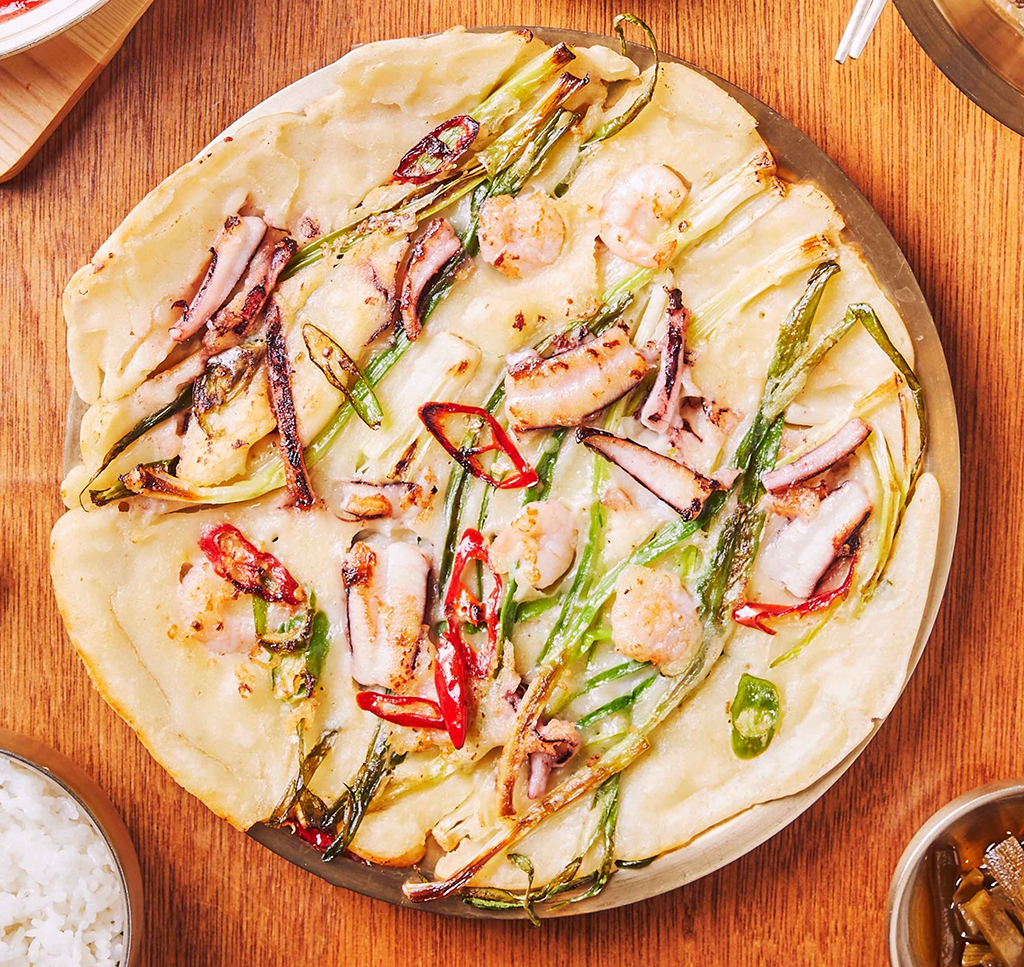
ⓒKorea Tourism Organization Photo Korea – Alexbundo
A Savory Seafood Pancake
Haemul pajeon is a type of Korean pancake made with a batter of eggs, wheat flour, rice flour, and green onions, mixed with a variety of seafood like shrimp, squid, and clams. It’s then pan-fried to crispy perfection.
Why You Must Try It
This dish is a favorite during rainy days in Korea, often paired with makgeolli, a traditional Korean rice wine. The crispy texture of the pancake combined with the fresh taste of seafood and the aroma of green onions makes it a delightful dish that’s perfect for sharing.
Where to Try It
Gwangjang Market is also an excellent place to try haemul pajeon, where you can watch it being made fresh at the market’s numerous stalls.
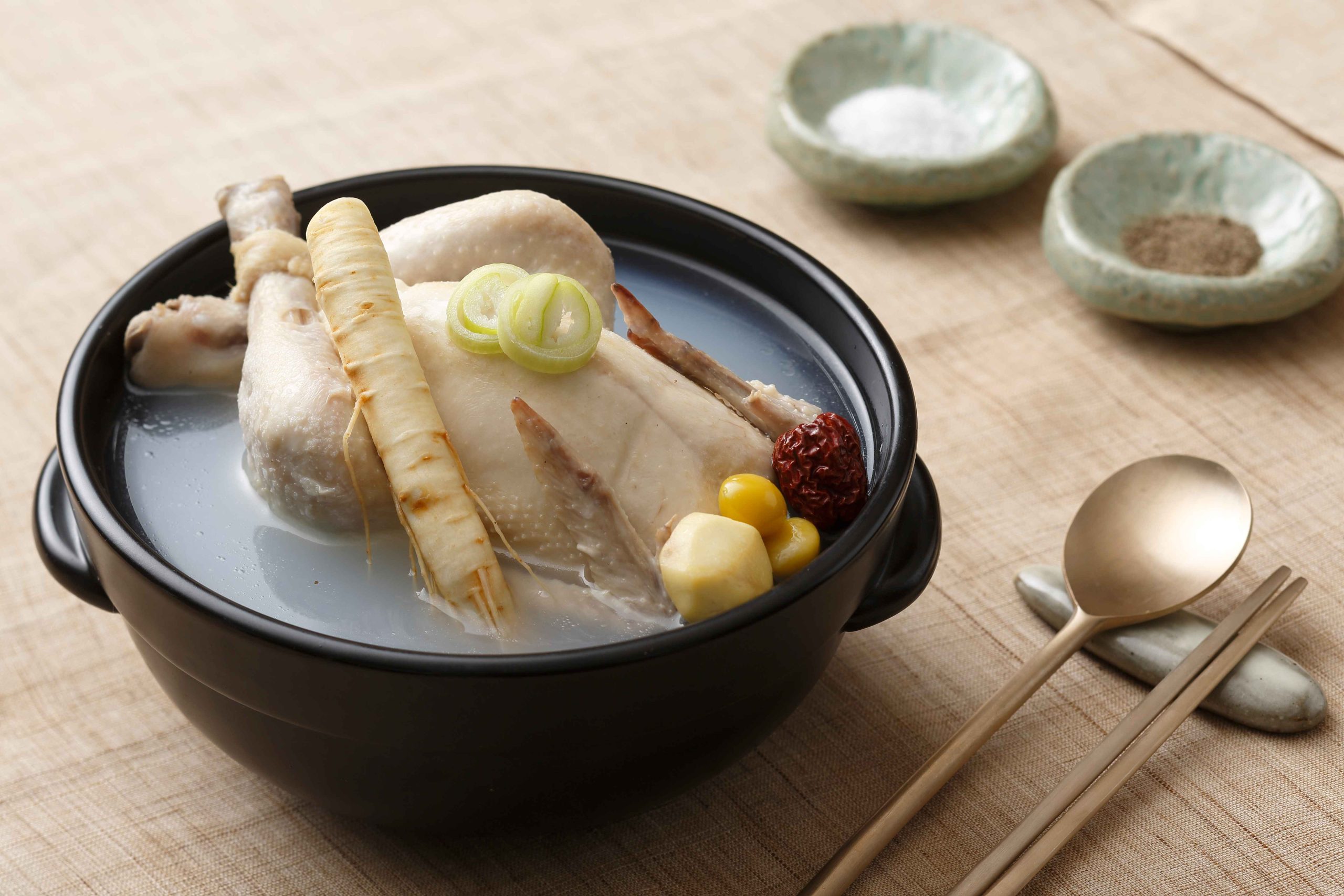
9. Samgyetang (삼계탕)
ⓒKorea Tourism Organization Photo Korea – Frame Studio
A Nourishing Chicken Soup
Samgyetang is a traditional Korean soup made with a whole young chicken stuffed with garlic, rice, jujube, and ginseng, and then simmered in a broth until tender. It’s typically eaten during the hot summer months as a way to replenish energy.
Why You Must Try It
Samgyetang is known for its health benefits, particularly for boosting energy and vitality. The soup is rich, hearty, and deeply satisfying, making it a beloved dish among Koreans, especially during the summer.
Where to Try It
Tosokchon Samgyetang near Gyeongbokgung Palace is one of the most famous places to try this dish, known for its flavorful broth and tender chicken.
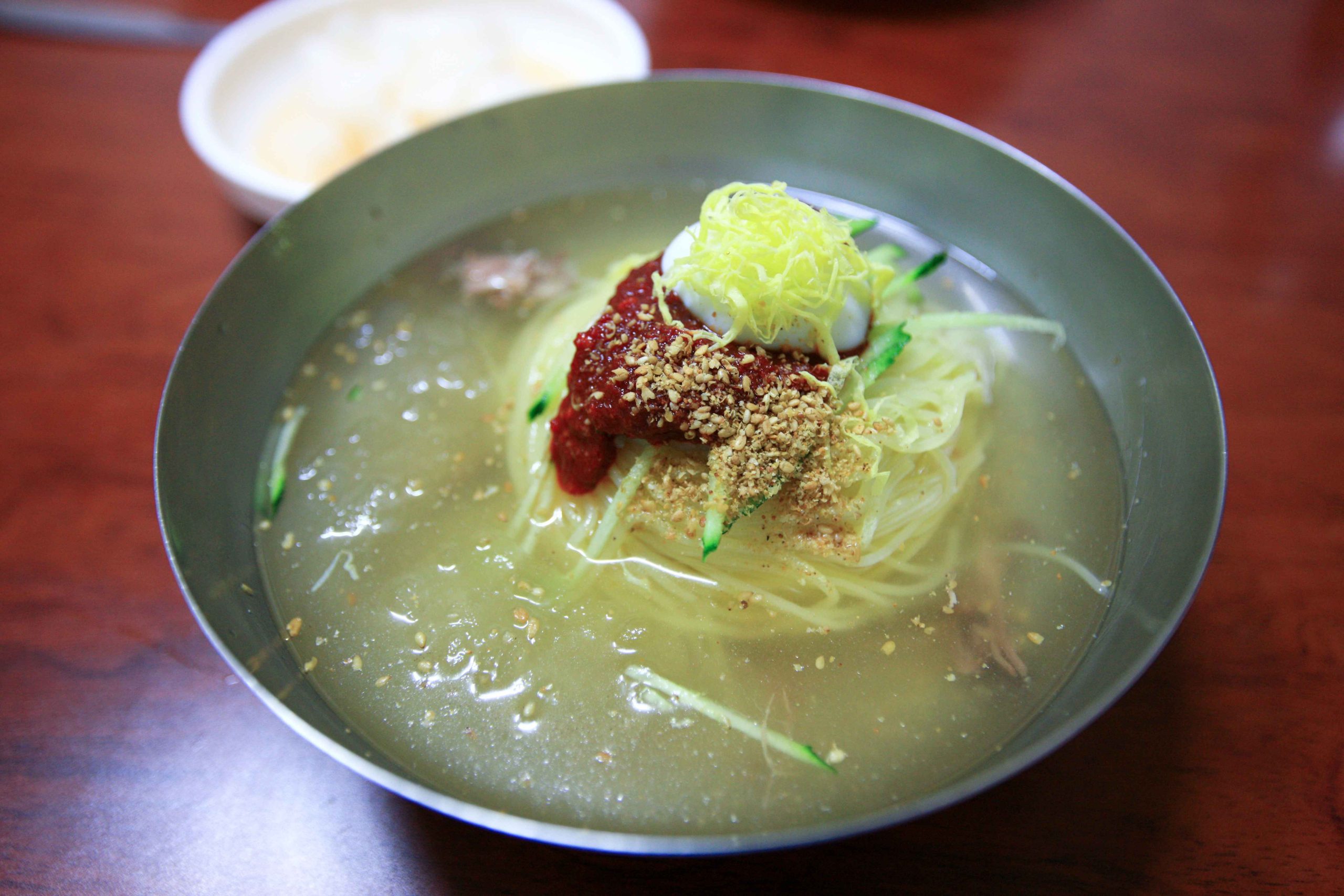
10. Naengmyeon (냉면)
ⓒKorea Tourism Organization Photo Korea – Kim Jiho
Cold Noodle Refreshment
Naengmyeon is a dish of cold buckwheat noodles served in a tangy, icy broth made from beef or dongchimi (radish water kimchi). It’s often garnished with slices of cucumber, pear, boiled egg, and sometimes beef.
Why You Must Try It
Naengmyeon is refreshing, light, and perfect for hot weather. The combination of chewy noodles and cold, tangy broth creates a unique and invigorating dining experience. It’s also one of Korea’s most beloved summer dishes.
Where to Try It
Eulji Myunok in Seoul is a popular spot for naengmyeon, known for its authentic taste and traditional preparation.